Network & Partnerships

CoRE-Math consists of 17 member universities and works with mathematical organisations and networks through formal and other partnerships.

Member universities

The 17 member universities form the nodes of CoRE-Math. The network brings together long-standing collaborations and newer connections in research, postgraduate education, mobility and engagement with society.

CoRE-Math mark

Africa & Europe

One network, 17 universities

CoRE-Math connects eight African and nine European universities. Some relationships go back several decades; others are developing through the Cluster. Together they create a platform for research collaboration, postgraduate education, mobility, schools, industry engagement and joint initiatives across institutions and countries.

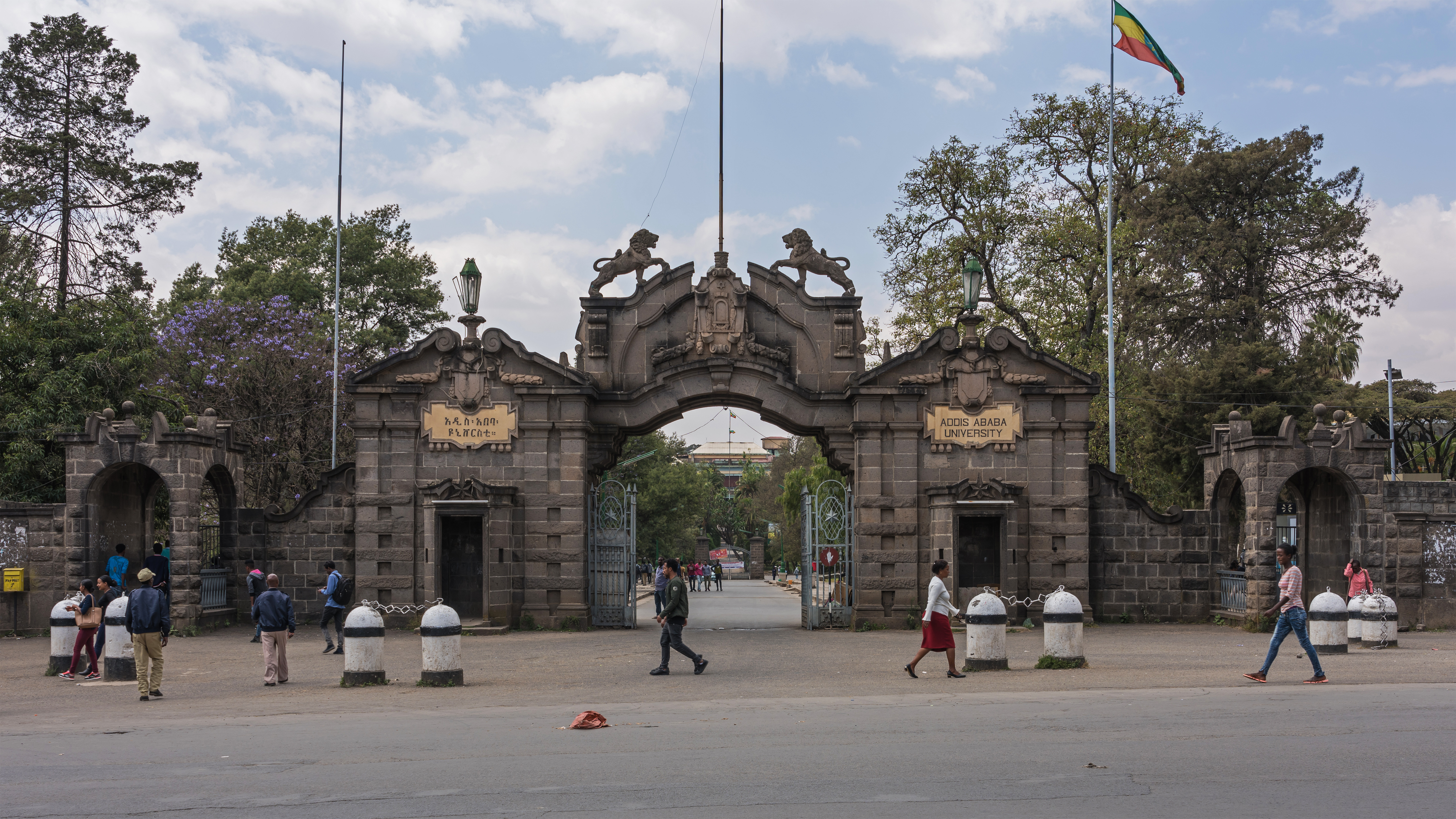
Addis Ababa University

Ethiopia

Addis Ababa University

Addis Ababa University has received long-term ISP support for mathematics since 2005. It contributes to research groups, international schools and mathematics competitions within CoRE-Math.

Linköping University

Sweden

Linköping University

Linköping University has played a major role in Sida-supported mathematics collaboration in Rwanda, Uganda and Tanzania. Its long-term partnerships have supported postgraduate education, research and institutional development.

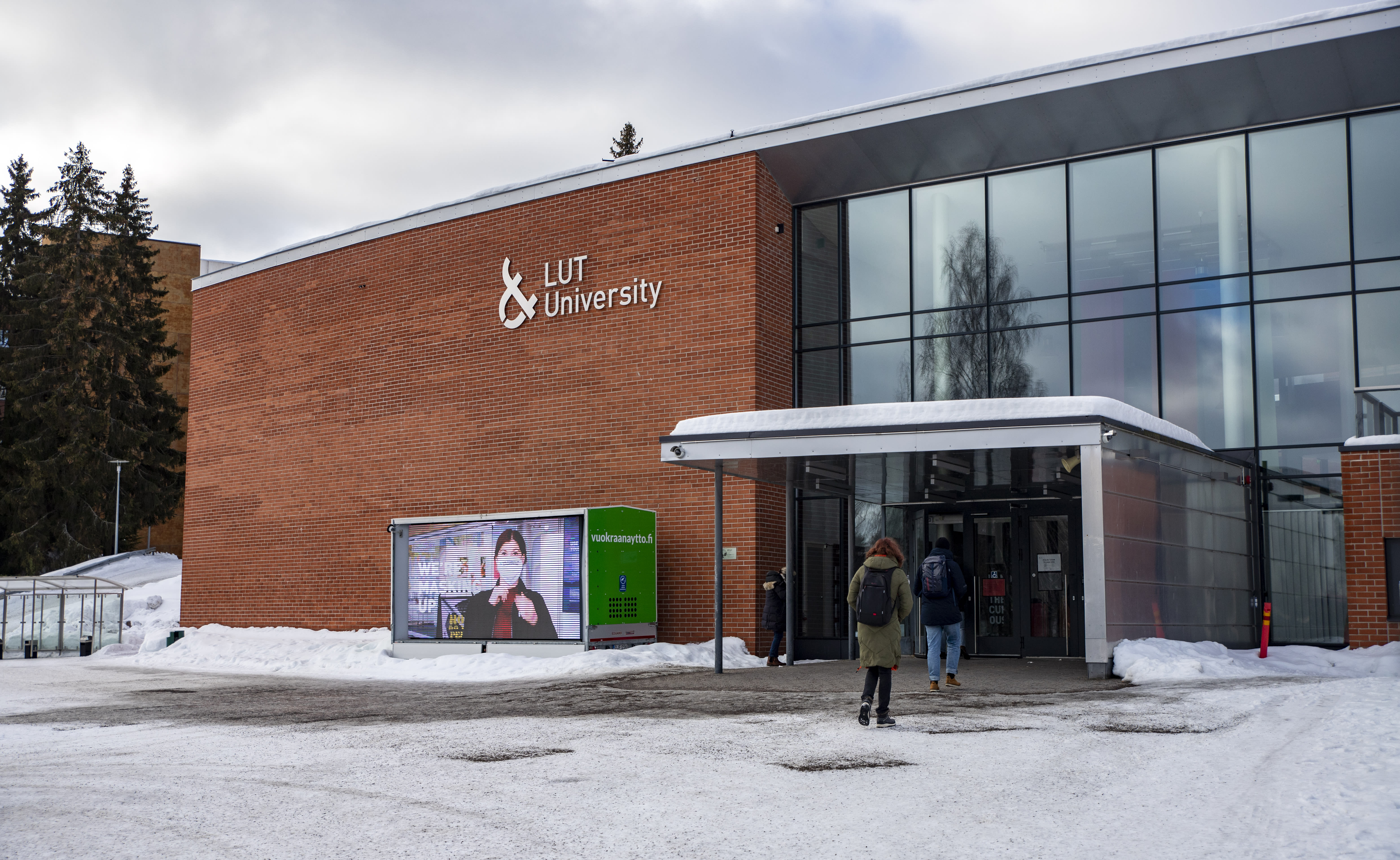
LUT University

Finland

LUT University

A longstanding partner in applied mathematics and mathematical modelling in East Africa. Its collaboration has contributed to Modelling Weeks, industrial mathematics and postgraduate education.

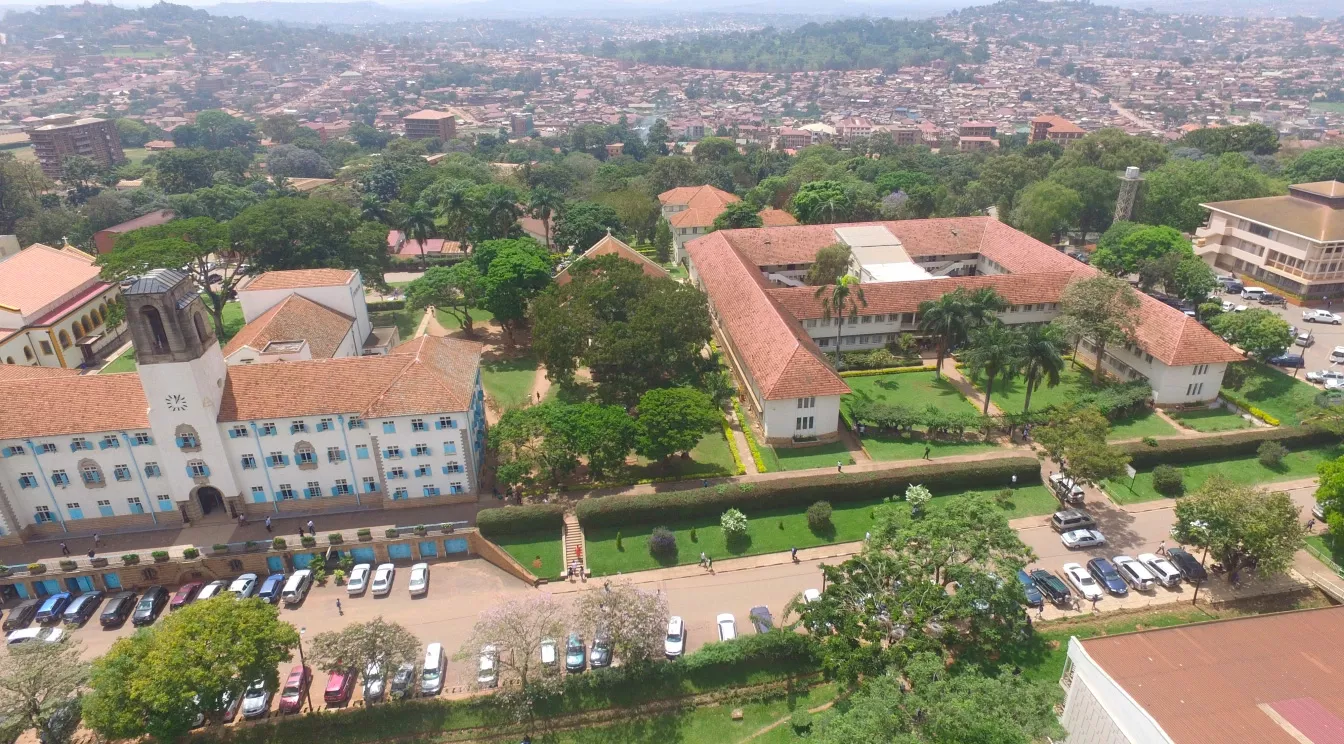
Makerere University campus

Uganda

Makerere University

African co-lead of CoRE-Math and a founding member of EAUMP. Makerere has played a central role in regional mathematics collaboration, postgraduate education and research networks for more than three decades.

Stellenbosch University

South Africa

Stellenbosch University

Stellenbosch University joined CoRE-Math in 2026, broadening the Cluster's research base. Its participation strengthens connections with South African mathematical research environments.

Stockholm University

Sweden

Stockholm University

Stockholm University has worked with ISP and Sida-supported mathematics programmes in Rwanda, Uganda and Tanzania. These partnerships support continued research and educational collaboration through CoRE-Math.

University of Amsterdam

Netherlands

University of Amsterdam

Contributes to research collaboration, international workshops and schools, and participates in the management of CoRE-Math. Researchers at the Korteweg-de Vries Institute are active in these collaborations.

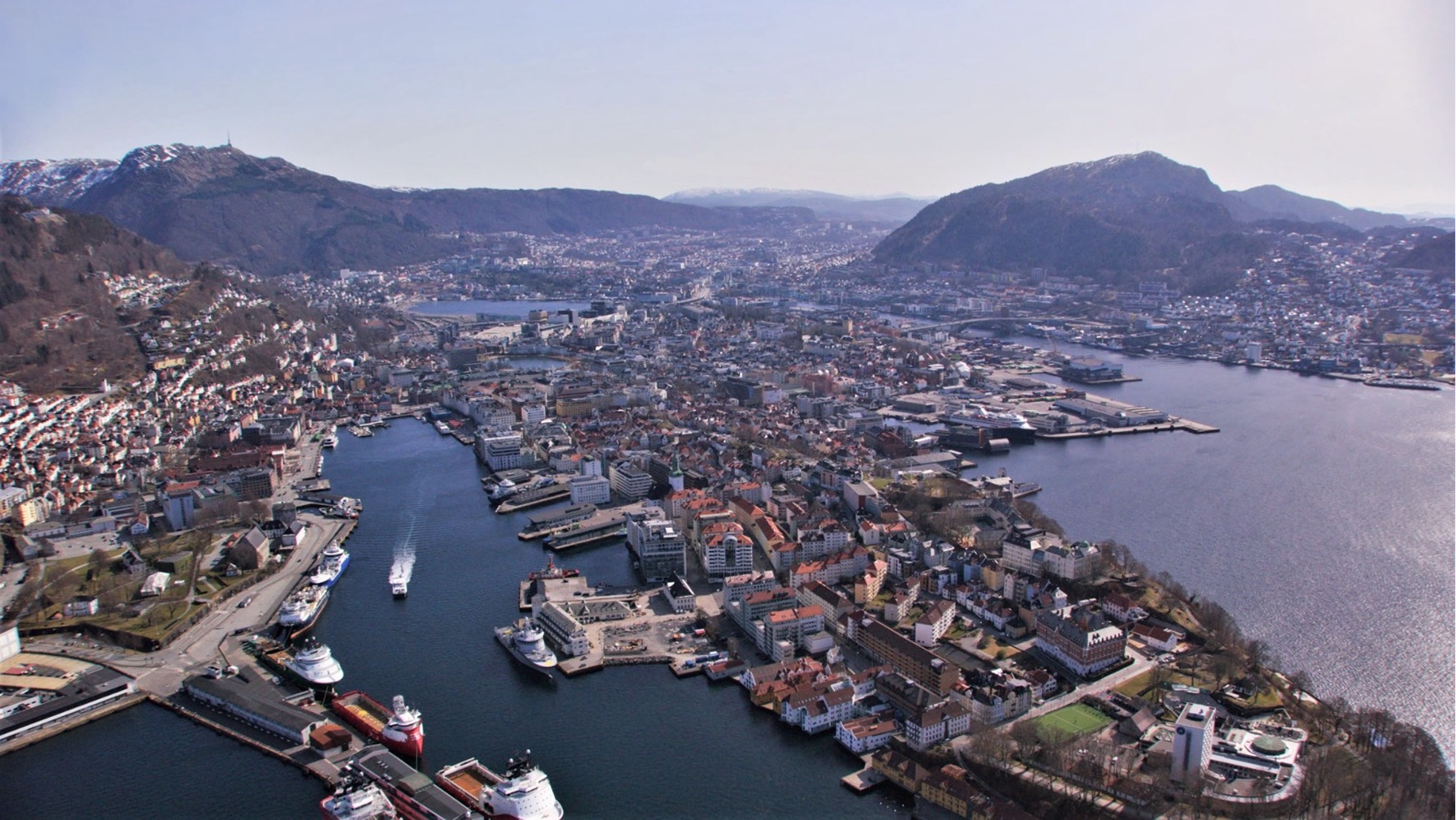
Bergen

Norway

University of Bergen

The University of Bergen's mathematics collaboration with Makerere dates to the early 1990s. It now contributes to Math4SDG, postgraduate mobility and research collaboration across the network.

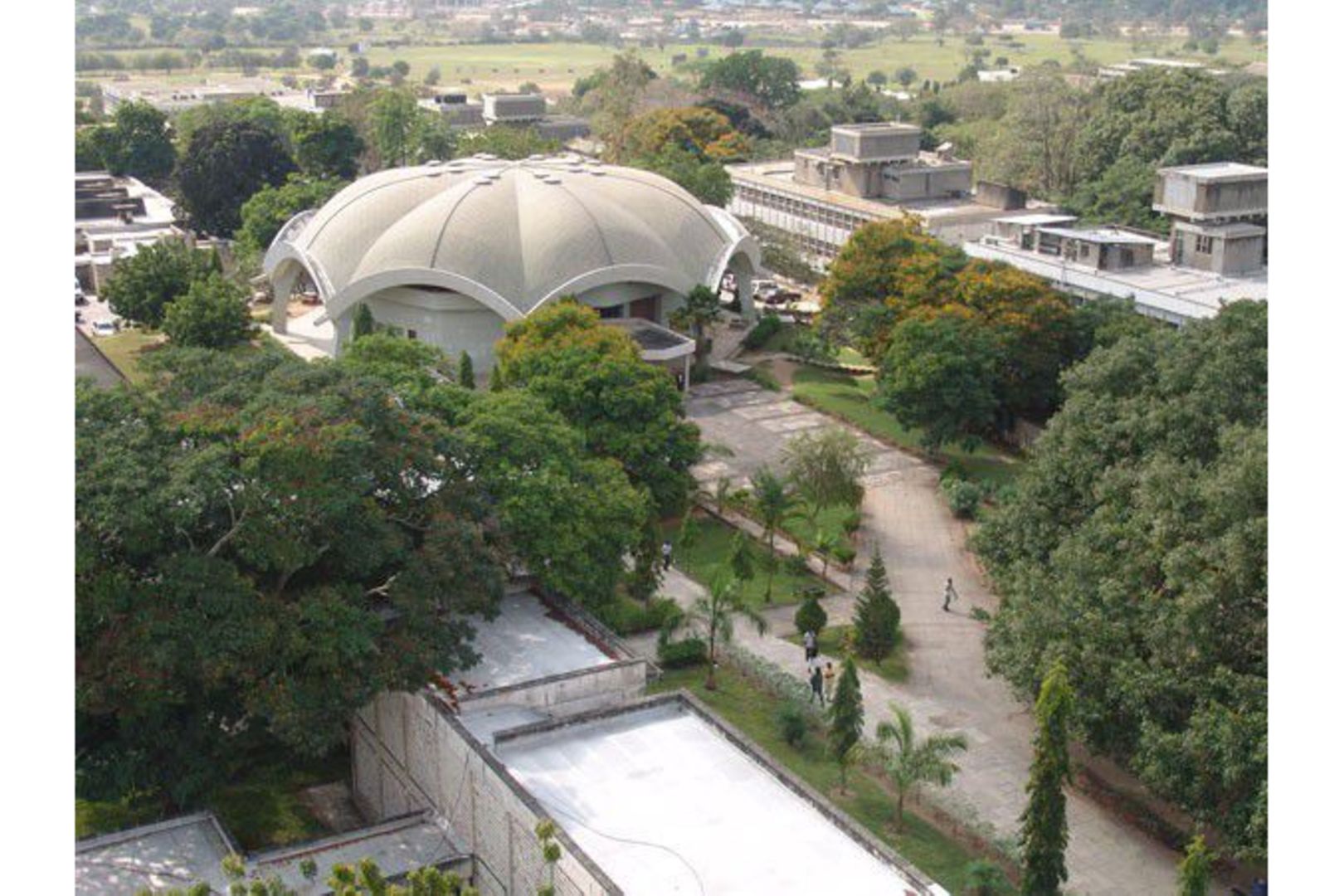
University of Dar es Salaam

Tanzania

University of Dar es Salaam

A founding member of EAUMP with long-standing Nordic collaboration in mathematics. Dar es Salaam contributes to modelling, industrial mathematics, regional schools and Math4SDG.

University of Groningen

Netherlands

University of Groningen

The University of Groningen contributes through research collaboration and postgraduate mobility, particularly with Makerere University. Erasmus+ exchanges and doctoral research visits support links between research groups.

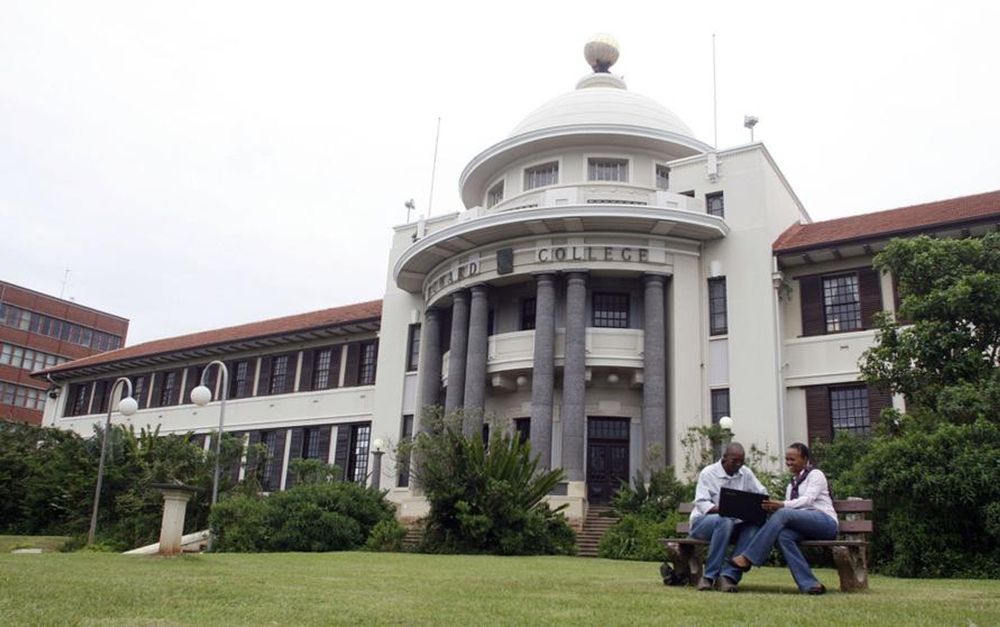
University of KwaZulu-Natal

South Africa

University of KwaZulu-Natal

The University of KwaZulu-Natal joined CoRE-Math in 2025. It supports fellowships for early-career researchers and helps develop research and postgraduate partnerships across the network.

University of Nairobi

Kenya

University of Nairobi

A founding member of EAUMP with a long history of regional collaboration in mathematics. Nairobi has hosted algebraic geometry workshops and participated in regional mathematics competitions.

University of Oslo

Norway

University of Oslo

A longstanding partner in mathematical modelling education in Southern and Eastern Africa, including regional master's programmes in Zimbabwe and Tanzania.

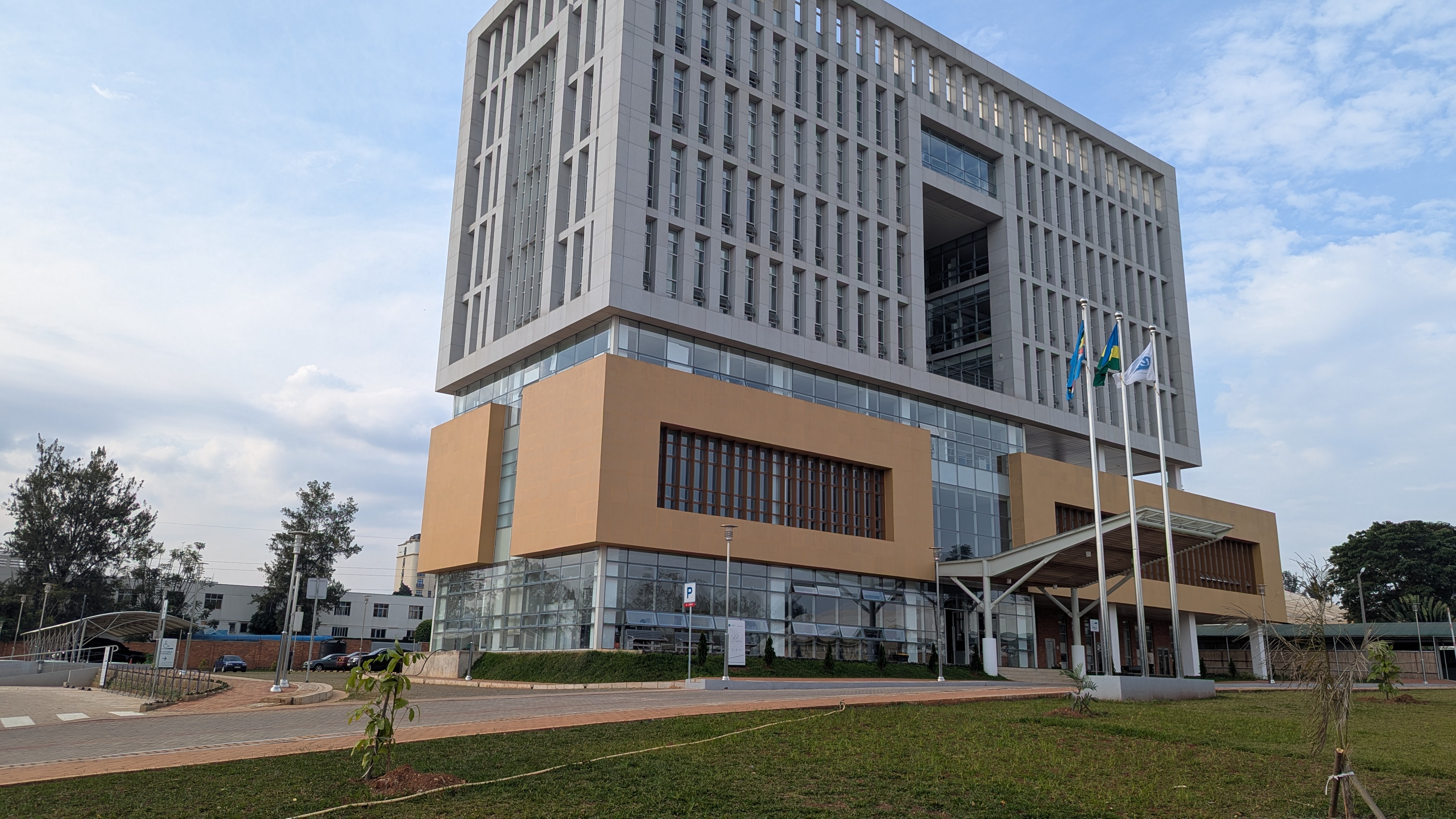
University of Rwanda

Rwanda

University of Rwanda

The University of Rwanda has been part of regional mathematics collaboration since 2008. Its partnerships support postgraduate education, applied mathematics, industrial mathematics and mathematics competitions.

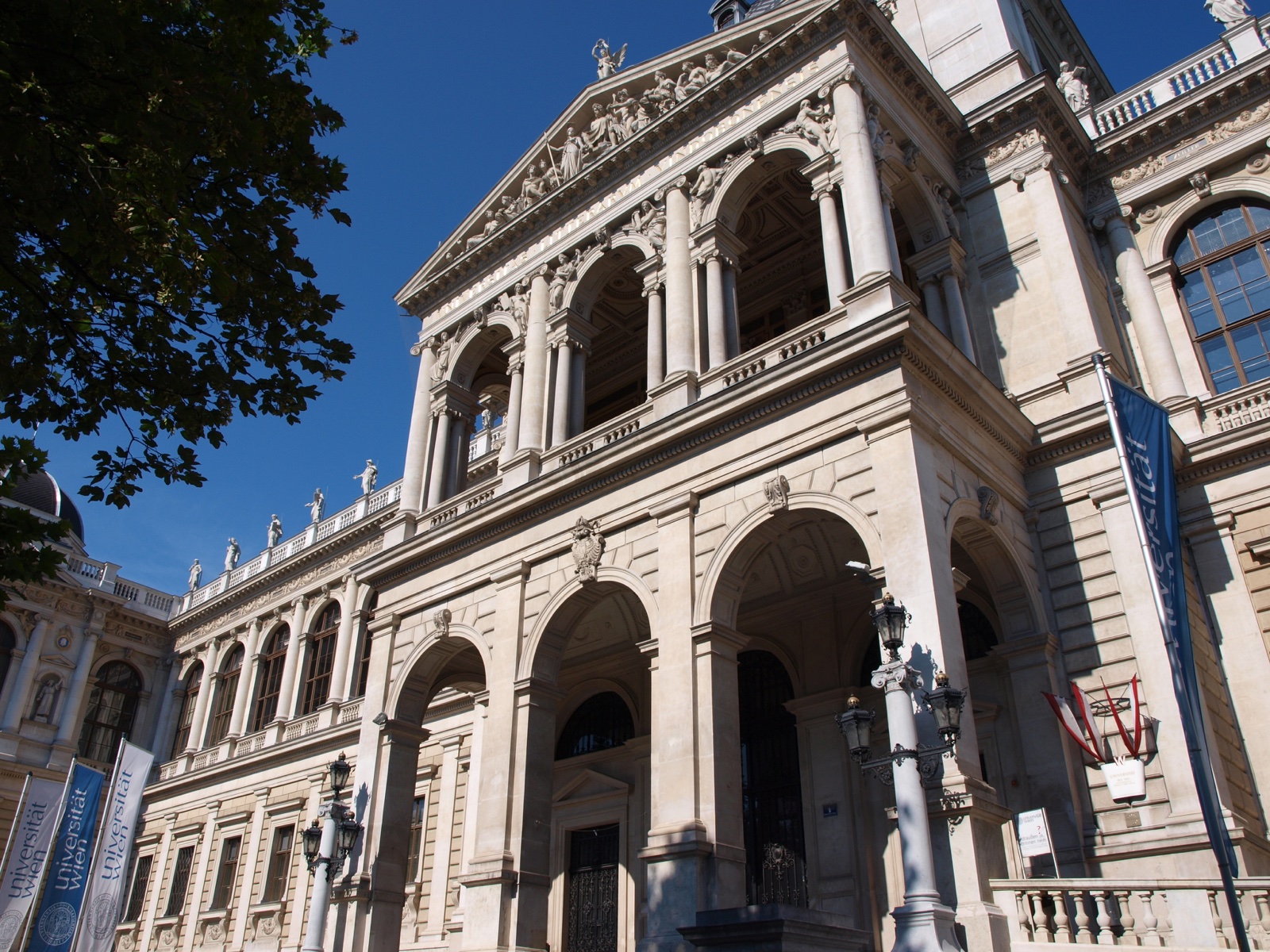
University of Vienna Main Building

Austria

University of Vienna

The University of Vienna contributes research collaboration in algebra and algebraic geometry. It has also helped prepare and organise international mathematics schools over many years.

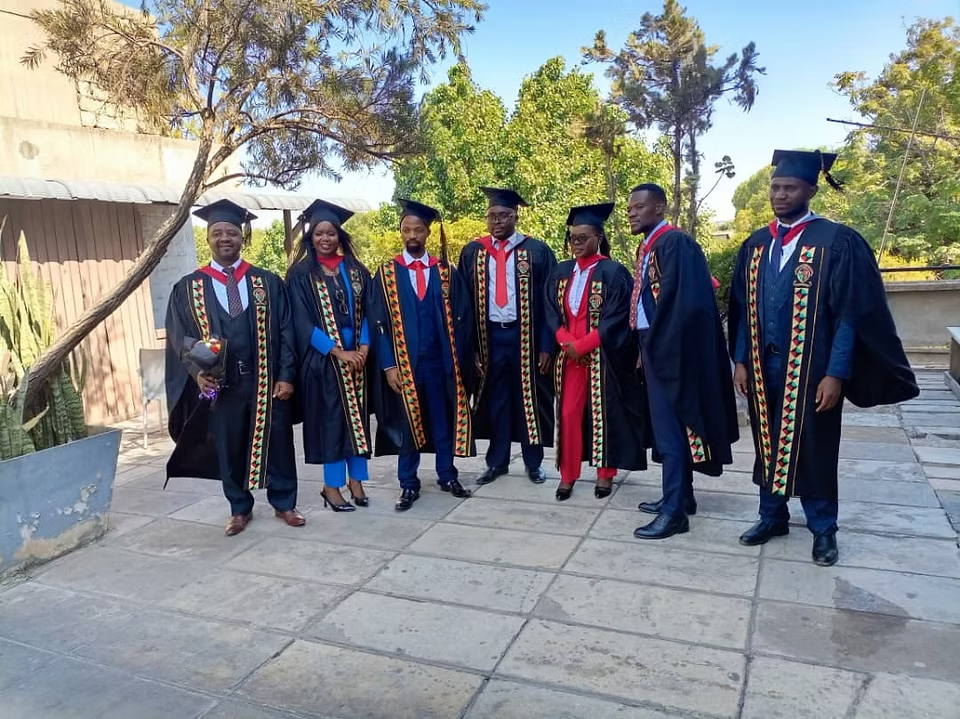
University of Zambia MSc graduates

Zambia

University of Zambia

The University of Zambia joined EAUMP in 2009, extending regional mathematics collaboration beyond East Africa. It contributes to postgraduate education, research collaboration and regional schools.

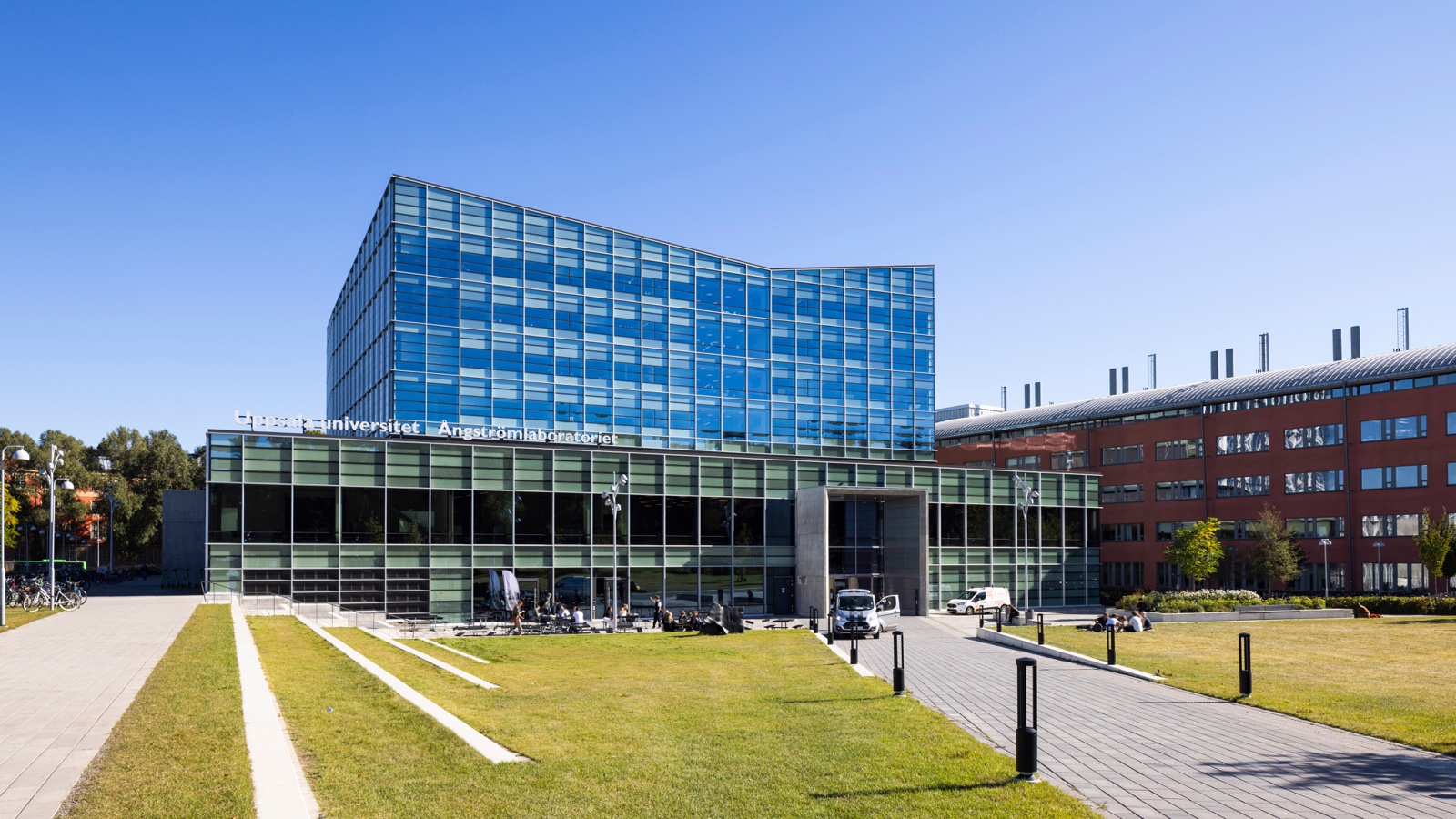
Ångström Laboratory, Uppsala University

Sweden

Uppsala University

European co-lead of CoRE-Math through the International Science Programme. Uppsala supports long-term mathematics capacity building, research fellowships and the coordination of the Cluster.

Ethiopia

Addis Ababa University

Addis Ababa University has received long-term support for mathematics through the International Science Programme (ISP) since 2005. This collaboration has contributed to the development of postgraduate education, particularly PhD training, and international research connections. Within CoRE-Math, Addis Ababa University participates in research collaboration, research groups and international schools, including the 2026 school in arithmetic geometry. The university has also contributed to the development of mathematics competitions in Ethiopia, including a national competition established in 2022.

Sweden

Linköping University

Linköping University has a long history of collaboration with the International Science Programme (ISP) and has played a major role in Sida-supported mathematics collaboration with universities in Rwanda, Uganda and Tanzania. Beginning in Rwanda in 2007, these partnerships have supported postgraduate education, doctoral training, research and institutional development. Linköping has also contributed to the joint development of PhD programmes and curricula across the participating universities. These long-term collaborations form an important part of CoRE-Math's foundations.

Finland

LUT University

LUT University's collaboration with East African universities began in 2007 through East Africa Technomathematics, initially involving the University of Dar es Salaam. The collaboration subsequently expanded to other countries and introduced activities such as Modelling Weeks, curriculum development and industrial mathematics. More recent initiatives include WOLIMODS, collaboration with the University of Rwanda in Earth observation, and the Finnish FAME flagship. LUT contributes particularly to applied mathematics, mathematical modelling and connections between mathematics and industry.

Uganda

Makerere University

Makerere University is an African co-lead of CoRE-Math and has played a central role in developing regional mathematics collaboration in East Africa. It was a founding member of the Eastern Africa Universities Mathematics Programme (EAUMP) in 2002, and its mathematics collaboration with the University of Bergen dates back to the early 1990s. Makerere has also participated in Sida-supported research cooperation with Swedish universities, international research groups and regional schools. It leads the East African Network for Women in Basic Sciences (EANWoBAS). Current activities include Math4SDG, postgraduate mobility with Bergen and Groningen, and industrial mathematics.

South Africa

Stellenbosch University

Stellenbosch University is one of Africa's leading research universities and joined CoRE-Math in 2026, broadening the Cluster's research base and strengthening its connections with South Africa. Its participation provides opportunities to develop research collaboration with other African and European universities and to connect established research environments with the wider CoRE-Math network.

Sweden

Stockholm University

Stockholm University has collaborated with ISP since 2003 and has participated in Sida-supported mathematics programmes with universities in Rwanda, Uganda and Tanzania. These collaborations have supported doctoral education, research and institutional development. Stockholm has also contributed to the development of mathematics competitions and outreach activities in East Africa. Its longstanding partnerships provide an important foundation for continued research and educational collaboration through CoRE-Math.

Netherlands

University of Amsterdam

The University of Amsterdam contributes to CoRE-Math through research collaboration, international research workshops and postgraduate education. Researchers at the Korteweg-de Vries Institute have been involved in mathematical collaborations with African universities, including workshops in algebraic geometry and international schools. Amsterdam also participates in the management and development of CoRE-Math.

Norway

University of Bergen

The University of Bergen's mathematics collaboration with Makerere University dates back to the early 1990s, when NUFU-supported programmes contributed to postgraduate education, research and institutional development. This longstanding relationship provided a foundation for Math4SDG, which also involves the University of Dar es Salaam. Current activities include doctoral education, research collaboration, postgraduate mobility through Erasmus+ and NORSTIP, and the Health Data Synergy initiative connecting mathematics and medicine.

Tanzania

University of Dar es Salaam

The University of Dar es Salaam was a founding member of EAUMP in 2002 and has a long history of collaboration with Nordic universities. This includes mathematical modelling programmes with the University of Oslo, applied mathematics and industrial mathematics activities with LUT University, and ongoing Sida-supported research collaboration with Swedish universities. Dar es Salaam has also hosted regional schools and participated in international research groups. Current activities include Math4SDG and postgraduate mobility with Bergen.

Netherlands

University of Groningen

The University of Groningen contributes to CoRE-Math through research collaboration and postgraduate mobility, particularly with Makerere University. Erasmus+ exchanges and doctoral research visits have strengthened connections between research groups and supported collaborative research. Groningen researchers also participate in international schools and other educational activities within the network.

South Africa

University of KwaZulu-Natal

The University of KwaZulu-Natal joined CoRE-Math in 2025, strengthening the Cluster's connections with South African mathematical research environments. The university supports fellowships for early-career researchers from other African member universities, creating opportunities for research visits and collaboration. It also contributes to the development of research and postgraduate partnerships across the network.

Kenya

University of Nairobi

The University of Nairobi was a founding member of EAUMP in 2002 and has a long history of regional collaboration in mathematics, including postgraduate education, schools and research activities. It has also hosted the Nairobi workshops in algebraic geometry, bringing together researchers from Africa and Europe. The university has participated in regional mathematics competitions, including the East African Mathematics Olympiad, connecting university mathematics with outreach to younger students.

Norway

University of Oslo

The University of Oslo has a long history of mathematics collaboration in Southern and Eastern Africa. It helped develop the Southern African Master's Programme in Mathematical Modelling, hosted by the University of Zimbabwe from 1996 to 2007, and subsequently supported a regional master's programme at the University of Dar es Salaam from 2008 to 2014. These programmes made substantial contributions to postgraduate education in mathematical modelling and established lasting connections with African universities.

Rwanda

University of Rwanda

The University of Rwanda's involvement in regional mathematics collaboration dates back to EAUMP's expansion to include the Rwandan member from 2008, recorded retrospectively as the University of Rwanda and its predecessor institutions, including the Kigali Institute of Science and Technology. Mathematics has also been part of Sida-supported research cooperation with Linköping University since 2007, later involving Stockholm University. These programmes have contributed to MSc and PhD education, research and institutional development. More recent activities include collaboration with LUT in applied mathematics, the SPIRIT research project, industrial mathematics and mathematics competitions.

Austria

University of Vienna

The University of Vienna contributes to CoRE-Math through research collaboration in algebra and algebraic geometry, including longstanding connections with researchers in East Africa. Vienna researchers have participated in the Nairobi workshops in algebraic geometry and other international research activities. The university has also played an important role in the preparation and organisation of international mathematics schools over many years, contributing to postgraduate education and the development of research networks across Africa and Europe.

Zambia

University of Zambia

The University of Zambia joined EAUMP in 2009, extending the regional collaboration beyond East Africa. Through EAUMP and ISP support, it has participated in postgraduate education, research collaboration and regional schools. Within CoRE-Math, Zambia continues to contribute to research and postgraduate education. A CoRE-Math school is planned in Lusaka in 2027, alongside opportunities for collaboration through the developing Zambia–Sweden bilateral programme in renewable energy.

Sweden

Uppsala University

Uppsala University is a European co-lead of CoRE-Math through the International Science Programme (ISP), which has supported the development of research environments and postgraduate education in low- and lower-middle-income countries since 1961. ISP's long-term capacity-building approach has included support to mathematics departments, research groups, postgraduate training and regional collaboration in Africa. It contributed to the establishment and development of EAUMP from 2002, supported mathematics at Addis Ababa University from 2005, and coordinated the Swedish mathematics contribution to Sida-supported bilateral research programmes in Rwanda, Uganda and Tanzania. These collaborations provide an important foundation for CoRE-Math. Uppsala also supports research fellowships and contributes to the coordination and development of the Cluster.

Formal partners

European Consortium for Mathematics in Industry (ECMI)

ECMI and CoRE-Math collaborate in industrial mathematics, including links between mathematics and industry, Study Groups with Industry, and related education and research activities. The partnership connects CoRE-Math with European industrial mathematics networks and supports exchange among researchers, students and external partners.

International Council for Industrial and Applied Mathematics (ICIAM)

ICIAM connects CoRE-Math with the international industrial and applied mathematics community. The partnership supports the development and visibility of applied mathematics in Africa and provides an international context for CoRE-Math’s work in industrial mathematics, research and education.

International Science Programme (ISP)

ISP at Uppsala University is a formal partner of CoRE-Math. Through agreements with six African member universities, it supports long-term development of mathematical research and postgraduate education, building on decades of collaboration through EAUMP and support to Addis Ababa University, and contributing to CoRE-Math’s coordination and development.

Other partners

Centre International de Mathématiques Pures et Appliquées (CIMPA)

CoRE-Math collaborates with CIMPA through research schools that bring international researchers together with postgraduate students and early-career mathematicians in Africa. These activities support advanced study, research interaction and the development of regional mathematical communities, while strengthening links across institutions and countries.

Centre of Excellence in Mathematical and Statistical Sciences (CoE-MaSS)

CoE-MaSS is a South African network for pure mathematics, applied mathematics and statistics, hosted by the University of the Witwatersrand. CoRE-Math is developing collaboration with CoE-MaSS in research, postgraduate education, industrial mathematics, schools and workshops, early-career development and scientific networking.

International Centre for Theoretical Physics (ICTP)

ICTP has long collaborated with universities and networks that now participate in CoRE-Math. The collaboration includes schools and other activities supporting research and postgraduate education in mathematics, bringing international researchers together with students and early-career mathematicians from across Africa and Europe.